Social Media Web Series Production
for 2026
Episodic content that builds loyal audiences. Shot on iPhone or cinema cameras.
Why Web Series Work
Precision & Performance
Series Concept Development
Strategic development of your episodic concept from brief through creative direction. We define the core premise, episode structure, target length, and release cadence that maximises audience engagement.
Batch Filming Efficiency
Compressed shooting schedules that deliver consistent production values. Film 10 episodes across 2–3 days instead of spreading production over weeks. Reduces team disruption and ensures visual consistency across all episodes.
Consistent Brand Voice
Every episode reinforces your brand through unified visual treatment. Same intro sequence, colour grading, typography, music choices, and aesthetic. Audiences instantly recognise your series and connect it to your brand.
Audience Retention Focus
Series designed to drive repeat viewership and return visits. Episode pacing encourages viewers to watch episode two immediately. Cliffhangers and narrative threads keep audiences invested across weeks of content.
Multi-Season Planning
Strategy that extends beyond episode one. We build series architecture that allows for expansion into season two, three, and beyond. Scalable formats that maintain audience interest while evolving content.
Cross-Platform Distribution
Optimised for every major social platform. Different episode lengths, aspect ratios, and publishing strategies for YouTube, Instagram, TikTok, and LinkedIn. Maximises reach across where your audience actually spends time.
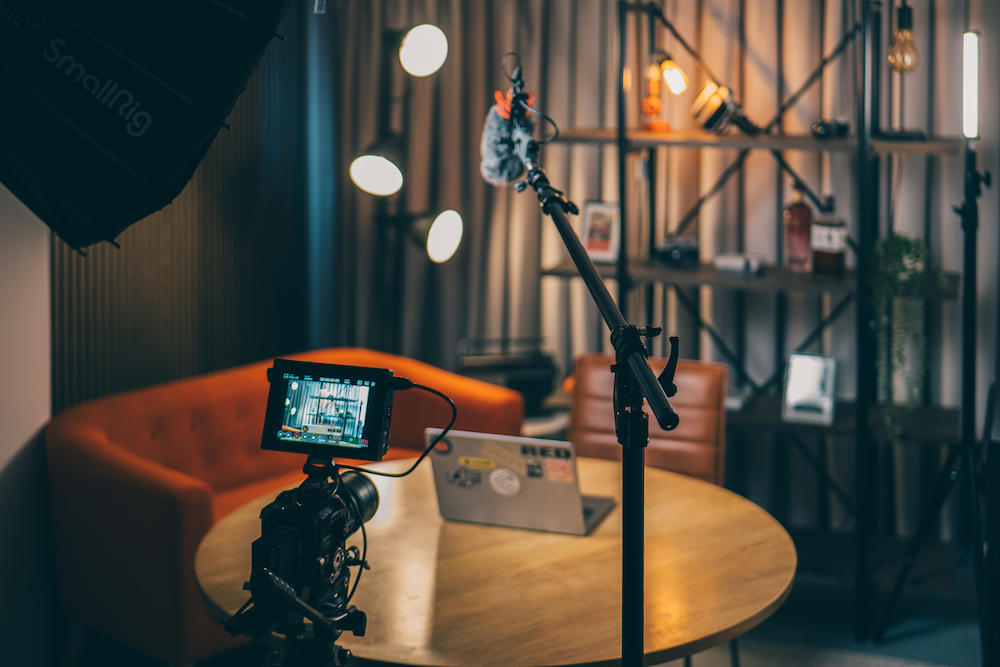
The Algorithm Rewards Return Visits and Habit Formation
The algorithm gods have spoken — and they're rewarding series content above all else. When you publish a web series instead of standalone videos, you're tapping into a psychological principle that streaming platforms have weaponised for years: binge behaviour. Your audience doesn't just watch one episode. They watch episode two. Then episode three. The algorithm sees repeat engagement from the same users within days, and it starts pushing your content harder across feeds and recommendations. Deloitte's 2026 market analysis predicts that micro-series and episodic content will generate $7.8B in global revenue by the end of this year. That's not a coincidence. Social media platforms — Instagram Reels, TikTok, YouTube Shorts, even LinkedIn — have updated their algorithms to reward series content with higher visibility. Why? Because episodic content keeps people coming back. It builds habit. It creates a reason for audiences to follow your brand specifically, not just stumble across random videos. The mechanics are straightforward: when your audience knows there's a new episode dropping next week, they're more likely to hit follow, enable notifications, and set a reminder. That engagement signal — the "save for later" and "add to watchlist" clicks — directly influences how the algorithm ranks your content. Social media series create what marketers call "appointment viewing," even on platforms designed for infinite scroll. For brands, this translates to measurable benefits. Your customer acquisition cost per viewer drops because you're not relying on paid promotion to reach new audiences. Your loyal viewers are bringing friends. Your retention metrics improve because people have a reason to come back. And your product integration opportunities multiply — you can weave product mentions naturally across multiple episodes instead of cramming everything into a 60-second ad. VERSZO has produced dozens of web series for Sydney brands across industries. From recurring educational content to character-driven workplace comedy, the pattern is consistent: series content outperforms isolated videos by 3–10x in terms of total reach and engagement. The data is clear. Series content sustains engagement across weeks or months while your total reach multiplies. Your cost per view drops. Your brand becomes something audiences actively follow, not just stumble across.
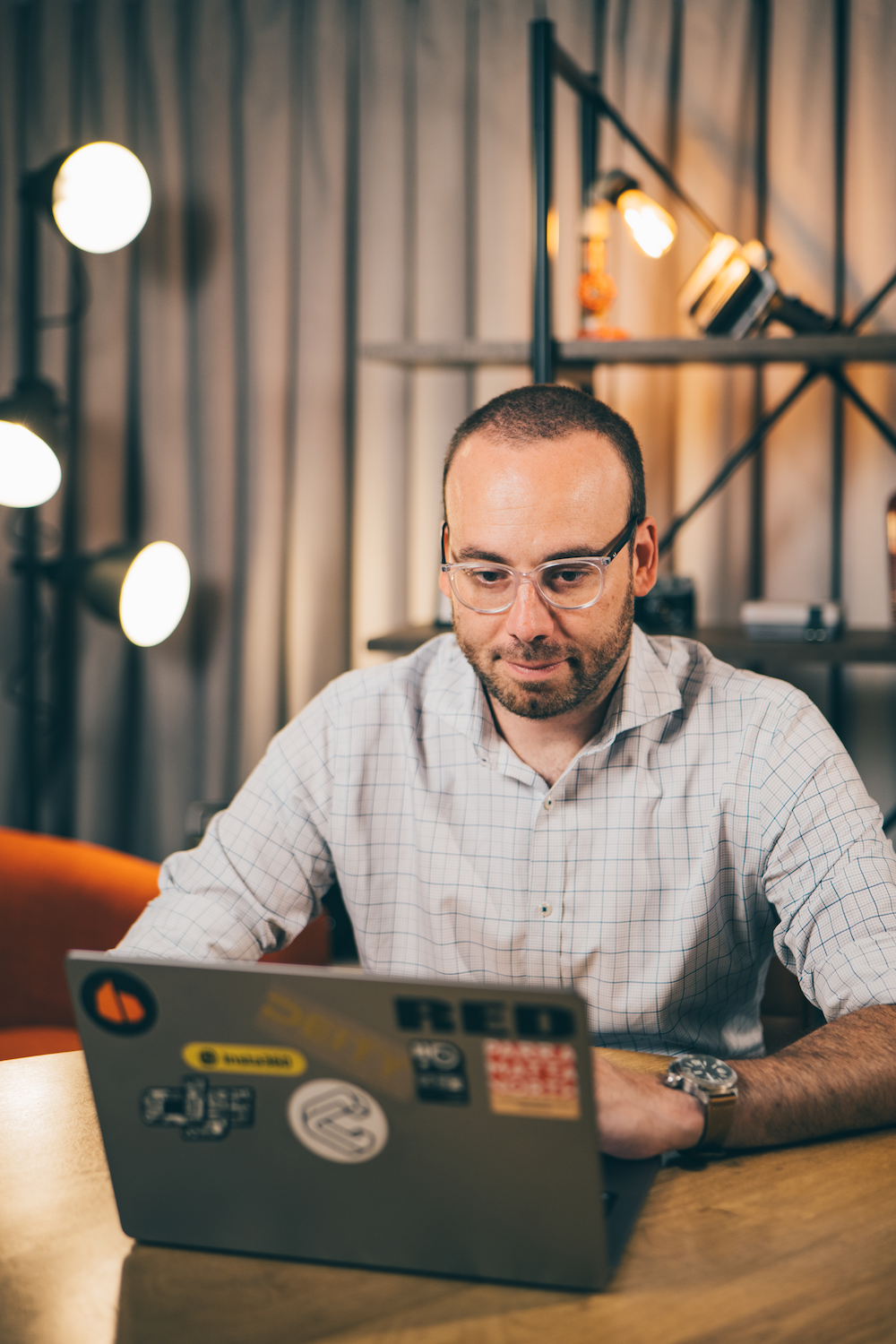
iPhone for Authenticity, Cinema Cameras for Premium Quality
Here's the conversation we have with every client: what's the vibe? Some brands absolutely need the polished, cinematic look. If you're producing a prestige narrative series — a 10-episode fictional drama for your brand, a high-end product journey series with colour grading and sophisticated cinematography — you need cinema cameras. You need lenses that cost more than a car. You need a cinematographer who understands depth of field and light ratios. You need post-production that takes six weeks instead of two. Other brands thrive on authenticity. A software company documenting real customer stories? iPhone. A fitness brand doing "day in the life" recurring content with your actual team members? iPhone. An interior design studio filming behind-the-scenes process videos? iPhone. The raw, unpolished aesthetic isn't a compromise — it's the entire point. Your audience wants to feel like they're getting insider access, not watching a polished commercial. Most successful web series live somewhere in between. Maybe you shoot interviews on iPhone for speed and authenticity, but use cinema cameras for establishing shots and hero sequences. Maybe you batch film 8–10 episodes across two weeks using a hybrid approach: some days you're light and nimble, other days you bring in the full kit. The critical insight that most production companies miss is this: the production approach must match both your budget and your creative requirements. Low-budget recurring shows that built massive audiences — "Lil' Dumbbell," "Dropout" web content, even internal HR comedy series at major companies — all shot on phones. Premium narrative content like Netflix originals and high-end brand documentaries require full production resources. VERSZO operates at every tier. We can mobilise a minimal crew with iPhones and confidence. We can deploy cinema cameras and experienced DPs. We can blend both within a single series. Your budget and creative vision determine the approach, not our preferences. We've produced viral content on phones. We've produced award-grade content on cinema cameras. The common thread isn't the gear — it's clear creative direction, decent execution, and realistic timelines.
Series Formats That Deliver Measurable Results
Not all episodic content is created equal. The format you choose determines everything: your shooting schedule, your required talent, your post-production timeline, and how audiences engage. **Recurring Format Shows** operate on a predictable structure. Same host, same set, new topic each episode. Think "tips and tricks," "expert interviews," "case study breakdowns." Your audience tunes in because they know what to expect. Monday episode drops, your followers check it out. These series scale because you're not reinventing production every episode — you're just changing the guest or topic. **Interview Series** are gold for B2B and thought leadership brands. You can batch film 12 interviews in three days if you're organised. Each interview becomes an episode. You're building a library of expert perspectives around your industry. The production is straightforward: solid lighting, decent audio, minimal editing. Audiences watch because they're genuinely interested in the person being interviewed, not because of flashy production. **Behind-the-Brand Docuseries** show your actual process. How you make your product. How you serve customers. How your team works. This is where iPhone authenticity absolutely wins. You don't want cinematic drama here — you want transparency. These series build trust more effectively than testimonials because audiences see the reality. **Educational Mini-Series** teach something useful in digestible chunks. "Six ways to optimise your supply chain," released as six episodes across six weeks. "How to troubleshoot your software," as five short episodes. Education content has inherent retention because people want to complete the series — they're trying to learn something. **Product Journey Series** follow a customer from problem to solution. A case study stretched across 4–6 episodes. This format naturally builds to a payoff moment where the product solves the problem. The narrative tension keeps viewers coming back. **"Day in the Life" Recurring Content** shows your team, your office, your process. Released weekly. These humanise your brand at scale. They're cheap to produce — just someone with a phone documenting real moments — but audiences connect deeply because they feel like they're part of your team. VERSZO recommends choosing one or two formats as your primary series, then testing secondary formats. Consistency matters more than variety. Your audience doesn't need a new format every month. They need to know what to expect, and they need to know it's coming reliably.
How VERSZO Develops, Plans, and Produces Your Web Series
From brief to episode one takes about four weeks at VERSZO. Here's how we work. **Concept Development** happens in week one. We're not starting from scratch — you know your audience and your business goals. But a web series needs a distinct creative angle. We develop that angle together. We're defining the core series premise, the episode structure, the target episode length, and the release cadence. Are we aiming for eight weeks of weekly drops, or an episodic release every fortnight for six months? Are episodes 90 seconds or eight minutes? Does this series have a narrative arc with a satisfying ending, or does it run indefinitely? These decisions shape everything downstream. **Episode Planning** happens in weeks one and two. If you're doing 10 episodes, we map them all out. Not shot-by-shot detail, but clear briefs for each episode. Topics, guest names, locations, key messages. This planning stage prevents the chaos that derails most content projects: scrambling for ideas as you shoot. **Batch Filming** is the logistical masterstroke. Instead of filming one episode at a time, we schedule all 10 episodes across two to three days. If you're interviewing experts, we bring them in for a four-hour block and shoot five interviews. If it's your team in your office, we dedicate two days to capturing all the footage we need. This approach cuts your production timeline in half and keeps your team's disruption minimal. **Consistent Branding** across episodes is non-negotiable. Same intro sequence. Same font treatments. Same colour grades. Same music choices. This is where the value of batch filming becomes obvious — your DP is locked in day one, not varying across weeks. Your colour grade is applied consistently. Your audio mix doesn't change. Audiences instantly recognise your content across episodes. **Post-Production** happens in weeks three and four. Edit, sound design, titles, any VFX or motion graphics, final colour grade. We're aiming for a two-week turnaround from lock to delivery. **Distribution Strategy** is part of the plan from day one. Different platforms favour different episode lengths and posting schedules. Instagram Reels? Short episodes, weekly. YouTube? Longer format, flexible schedule. TikTok? Vertical orientation, constant feed. We're optimising the format and distribution approach based on where your audience actually is. The entire process is designed around momentum. You finish with a library of 10 polished episodes. You can release them all at once for maximum impact, or drip them out weekly for extended engagement. The audience doesn't see the compressed timeline — they see a brand that consistently delivers quality episodic content.
Web Series Impact
Brand Credibility
Audiences say series content makes brands more credible than isolated videos.
Higher Save Rates
Episodic content gets saved to watch lists at 3x higher rates than standard brand videos.
More Views
Creator-led episodic series generate 10x more total views than traditional brand content.
Trusted by Leading Brands






Frequently Asked Questions
Common Questions
How many episodes should my first series have?
+
VERSZO typically recommends starting with 6–10 episodes. This length is enough to establish format and audience habit, but short enough to complete in a single production cycle without overcommitting. You can always extend to a second season based on performance and audience response.
What's the cost per episode?
+
Cost varies significantly based on production approach, talent requirements, and content complexity. iPhone-based recurring format shows might cost $2,000–4,000 per episode. Full production cinema-camera content might cost $8,000–15,000 per episode. We provide transparent pricing based on your specific brief, timeline, and production approach.
Do you handle the concept development, or do I need to come with an idea?
+
VERSZO handles concept development as part of the full production service. You bring your audience insights and business goals. We develop the creative angle, episode structure, and content strategy. Concept development typically takes 1–2 weeks and is included in the overall project timeline.
What's the typical filming schedule?
+
Batch filming compressed into 2–3 days is standard. This approach minimises team disruption and ensures consistent production values. For distributed shooting across multiple locations or extended talent availability, we can extend the schedule. Post-production typically takes 2–4 weeks depending on complexity.
Which platforms do you optimise for?
+
We develop platform strategy as part of the project. Different platforms favour different formats — YouTube for longer-form, Instagram Reels for shorter clips, TikTok for vertical video, LinkedIn for professional content. We optimize episode length, aspect ratio, and posting schedule based on where your audience actually spends time.
Ready to Build Your Web Series?
VERSZO develops and produces episodic content that builds audiences and drives measurable engagement. Let's plan your first series.