Mockumentary & Character-Driven Video
for 2026
Entertainment that builds brand affinity. iPhone for raw authenticity or cinema cameras for premium production.
Mockumentary Production Services
Precision & Performance
Character & Concept Development
Deep character work before production begins. We define personality, motivations, flaws, and comedic voice. Strong character development makes execution effortless and comedy land authentically.
Professional Script Writing
Tight scripts that feel natural and land jokes reliably. VERSZO writes with your team's voice and comedic sensibility. Scripts inform casting, shooting, and editing decisions for maximum impact.
Casting & Talent Coordination
Strategic casting that matches character requirements. Whether you're using your actual team or hiring comedic actors, we coordinate auditions and ensure the right talent delivers your character effectively.
Comedy Timing in Post-Production
Professional editing that respects comedic rhythm. Pacing jokes, hitting punchlines, layering reaction shots, and managing comedic timing are specialist skills. Poor editing kills comedy. Expert editing amplifies it.
Brand-Safe Humour Development
Comedy that builds affinity without risk. We define comedic tone and boundaries in advance — what's on-brand, what's off-limits, what type of humour resonates with your audience. Humour strategy informs every decision.
Scalable Series Architecture
Format designed for expansion across multiple episodes and seasons. Characters and dynamics that sustain interest over time. Production templates that allow us to create new episodes efficiently as your series grows.
Why Mockumentary Content is Exploding
Audiences are tired of being sold to. They're scrolling past polished product ads. They're skipping brand videos. They're ignoring testimonials.
But they're stopping for entertainment.
They're watching the weird, funny, absurd workplace mockumentary because it's actually entertaining — and oh, incidentally, it's made by a company they now have higher regard for.
The workplace mockumentary trend isn't new — it traces back to "The Office" in 2005. What's new is that brands have figured out how to apply the format to their own messaging. Instead of fighting for attention with polished ads, brands are building fictional narratives around their workplace, their products, their customers. The audience consumes the content for entertainment value. The brand messaging arrives passively — not through sales language, but through the reality of how the company actually operates.
This shift is driven by a fundamental change in audience expectations. A 2025 Forrester report found that 73% of social media users actively avoid brand content. But those same users consume brand-created entertainment content at high rates. The difference? The content's primary purpose is entertainment, not selling. The brand message is embedded, not explicit.
Character-driven content works because human psychology is wired to care about characters. We follow people before we follow brands. If you create a compelling character — a fictional employee, a brand personality, a CEO with a recognisable comedic voice — audiences will follow that character across episodes, social platforms, and merchandise.
The most successful recent examples come from unexpected places. Workplace comedy content from internal communications teams (Slack culture videos, onboarding humour). The "shoffice" trend — fictional content about people working from home in increasingly absurd situations. Branded character content from companies like Dollar Shave Club and Cards Against Humanity that positioned fictional characters as the actual brand voice.
Social media algorithms reward entertainment content with extraordinary reach. A mockumentary-style video that makes people laugh gets 4x higher engagement than a traditional product demo. Character-driven series build return viewership. Audiences follow characters, not just brands. For B2B, B2C, SaaS, hospitality, retail, and professional services, character-driven content represents a genuine opportunity to differentiate in a landscape saturated with traditional advertising.
iPhone for Raw Authenticity, Cinema Cameras for Sitcom Quality
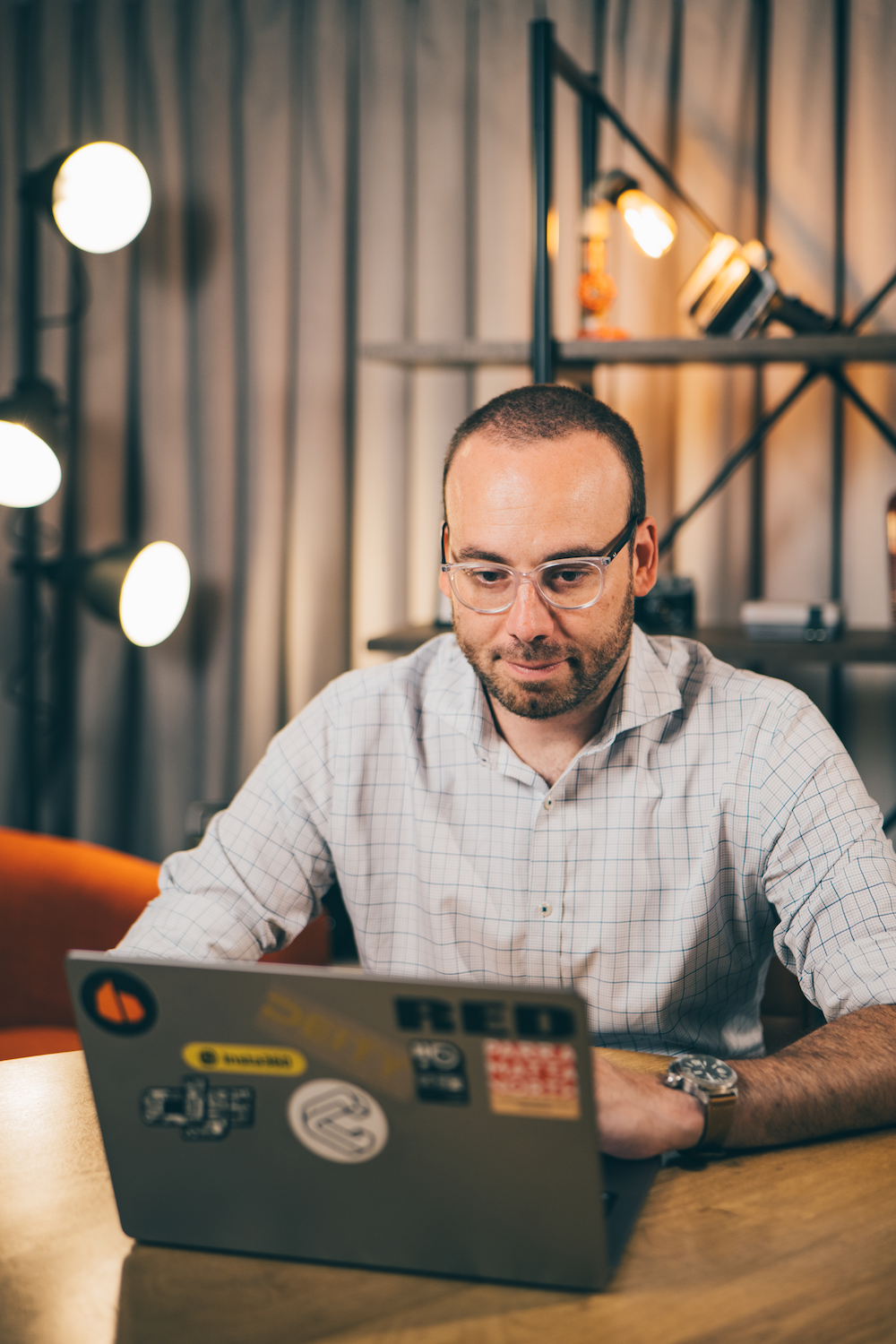
The production approach determines the tone. Mockumentary content shot on iPhone feels like insider access. It's handheld. It's got that "stolen footage" aesthetic. The audience feels like they're watching something unfiltered, something the company almost shouldn't be sharing. That authenticity is the entire appeal. Think The Office — technically professional production, but deliberately shot to feel like documentary-style footage. That aesthetic is easy to replicate on phones with discipline. Good lighting, solid sound, confident editing, minimal effects. You don't need cinema equipment to make iPhone content feel intentional and professional. In fact, adding expensive equipment often breaks the illusion. On the flip side, some brands want premium sitcom-quality production. Netflix visual standards. Proper two-camera setups with matching lighting ratios. Professional colour grading. VFX enhancements. Character-driven content aimed at premium audiences or prestige positioning benefits from full production resources. The elevated production values signal that this is important content, worth serious time investment. Most mockumentary content lives in between. Decent lighting and sound. Multi-camera coverage for editing flexibility. Fast turnaround. Not trying to be The Office — trying to be entertaining and on-brand. This is where VERSZO's hybrid approach delivers. You get professional execution without the 12-week timeline or seven-figure budget of full prestige production. The key decision point: what's the content's purpose and what's your audience's expectation? Are you building a workplace mockumentary that's supposed to feel like leaked company footage? iPhone and intentional rawness. Are you building a premium character-driven series aimed at discerning creative professionals? Cinema cameras and polished execution. Are you testing character-driven content without major investment? iPhone and confidence. Budget and creative requirements determine the approach. Your production decisions should reinforce your brand positioning, not fight against it. VERSZO works at every tier. We've built hilarious, viral content on phones. We've built premium sitcom content on cinema cameras. The common thread is clear creative direction and solid execution.
Character-Driven Formats That Build Affinity
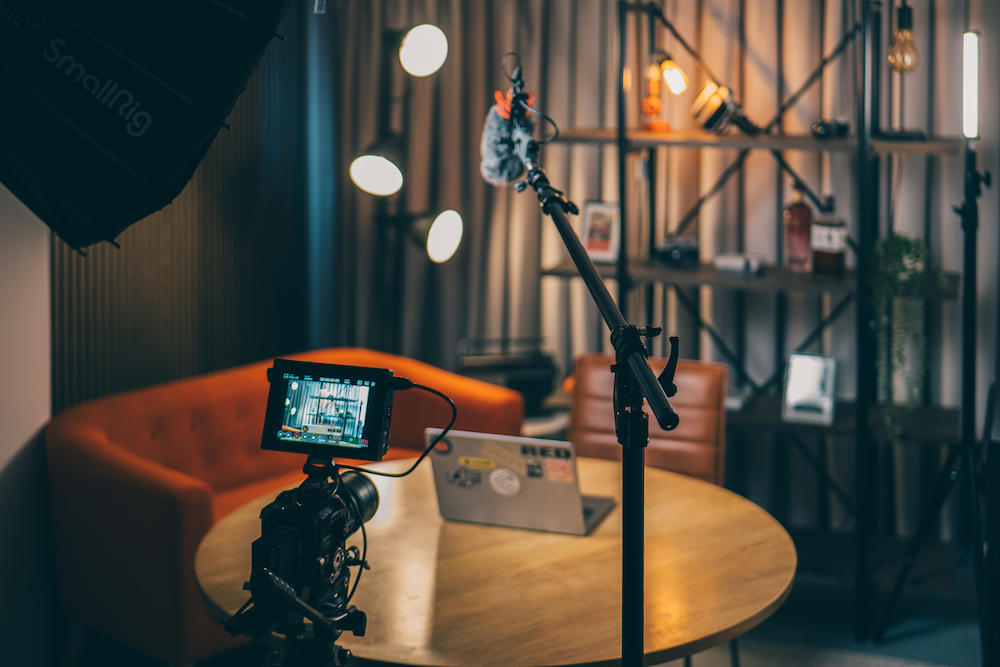
Character-driven content succeeds because audiences connect with people, not brands. Workplace Mockumentary is the obvious format. You're documenting the absurdity of your actual workplace, but amplifying it for comedy. Real situations, fictional commentary. Your team plays themselves. The humour comes from the gap between what's actually happening and how it's presented. Shot documentary-style, released weekly. Brand Mascot Series create a fictional character that becomes the brand voice. Maybe it's a fictional employee who's terrible at their job but trying hard. Maybe it's an exaggerated version of your CEO. Maybe it's a product that's been anthropomorphised into a character with personality. The series documents this character's attempts to understand the business, sell the product, interact with customers. Audiences follow the character, not the brand. Interview-Style Comedy pairs fictional interviews with real people or entirely fictional subjects. A CEO interviewing "customers" who are actors. A recruiter interviewing hilariously unqualified fictional candidates. A trainer teaching skills to incompetent fictional employees. The structure is interview-format — stable, easy to produce — but the humour is in the fictional interviewee. Fictional Employee Content introduces recurring fictional team members. The company's new hire who's learning everything for the first time. The intern causing chaos. The sales rep with bizarre strategies. These characters appear in multiple episodes, sometimes across different series. Audiences invest in the character's journey and growth. Behind-the-Scenes Parody shows your actual process, but presented with comedic exaggeration. The "real" behind-the-scenes is often chaotic, inefficient, and absurd. A parody version just amplifies what's already there. You're not inventing comedy — you're highlighting it. This format builds trust because audiences see the reality, and humour comes from authenticity. Character-Driven Product Demos put a character through actually using your product, but with exaggerated reactions, fictional stakes, and comedic situations. The demo is real — the product works as intended — but the character's relationship to it is entertaining. You're teaching people how to use your product through the lens of an entertaining character. VERSZO's approach to character-driven content starts with character development. Who is this character? What are their goals, flaws, and motivations? What makes them funny? Once the character is solid, the content almost writes itself because you're just putting them in situations where their personality creates comedy.
Production Process: From Character to Finished Episode
Character-driven content requires more planning than standard social videos, but the payoff is significant. Character Development happens before you shoot anything. VERSZO works with you to define the character or characters. What's their job or role? What's their personality? What's their flaw or quirk that creates comedy? What's their goal or motivation? The clearer the character definition, the better the comedy execution. Vague characters perform poorly. Specific characters perform exceptionally. We might develop a detailed character brief: personality traits, comedic voice, how they react to situations, how they interact with other characters. If you're building multiple characters, we define how they interact — where's the friction, where's the support, what's the dynamic that creates comedy? Script Writing is collaborative. VERSZO provides a first draft based on the character and brief. You review and refine. We're aiming for scripts that feel natural, that land the jokes, that work within your shooting constraints. A tight script saves time on set and improves the final product. Loose scripts mean improv on set, which can work but requires skilled actors and flexible timelines. Casting and Talent depends on your format. Are your actual team members playing themselves? Are you hiring actors? VERSZO can provide casting recommendations and coordinate auditions if needed. The right talent dramatically improves mockumentary content. A skilled comedic actor can deliver jokes that a non-performer would butcher. But authenticity matters too — sometimes your actual team member is the better choice even if they're not a trained actor. Batch Filming Episodes is the production efficiency killer. If you're producing eight episodes, we schedule all filming across two to three days. You're rotating through scenes, talent, and setups. The location doesn't change between episodes. Lighting is consistent. The camera operator is locked in. Post-production is easier because you're managing consistent technical standards across all content. Comedy Timing and Editing is the secret ingredient. A good script falls flat with bad editing. A mediocre script can land with smart editing choices. VERSZO's editors specialise in comedic timing — pacing jokes, hitting punchlines, layering reaction shots for maximum impact. This is where a lot of DIY mockumentary content fails. The planning and execution are fine, but the editing doesn't respect comedic rhythm. Brand-Safe Humour requires discipline. You're trying to be funny, but you're not trying to offend your audience or damage your brand. VERSZO works with you to define the boundaries. What types of jokes are on brand? What topics are off-limits? What's the comedic tone you're aiming for? Dark humour, absurdist comedy, observational humour, self-deprecation? Once we've defined the tone, it informs every script decision and editing choice. Post-Production includes colour grade, sound design, music, and final polish. Character-driven content often benefits from subtle post-production choices — ambient sound, comedic music stings, visual gags, on-screen text. We're not adding effects for the sake of it. Every post-production choice serves the comedy. The entire process takes six to ten weeks from character development to episode one delivery. Longer than a standard social video. Worth it because the audience response and engagement is fundamentally different. Human psychology is wired to care about characters. We remember names, faces, personality traits, arcs, and motivations. We invest in characters across episodes and seasons. We develop preferences, allegiances, and emotional connections. Brands learned this from premium television. Netflix invests hundreds of millions in character development because they know audiences follow characters, not plots. The same principle applies to social media.
Character Content Impact
Prefer Entertaining Content
Audiences actively prefer entertaining brand content over traditional advertising and product pitches.
Higher Engagement
Character-driven content generates 4x higher engagement than traditional brand videos across social platforms.
More Watch Time
Mockumentary-style brand content gets 2x longer watch time compared to traditional product demonstrations.
Trusted by Leading Brands





Frequently Asked Questions
Common Questions
Do you provide actors, or do we use our own team?
+
Both approaches work depending on your creative requirements. Using your actual team builds authenticity because audiences know they're real people. Hiring comedic actors can deliver more polished comedy performance. Most of our best mockumentary content blends both — key characters are actors, supporting roles are your team. We coordinate casting and can provide recommendations or audition scripts.
How do you keep mockumentary content on-brand?
+
Brand strategy is locked in during development. We define comedic tone, topics that are on-limits and off-limits, and how the humour reinforces (rather than damages) your brand positioning. A strong character and clear brand boundaries mean the content stays relevant and on-message throughout production and editing.
What does a character-driven mockumentary series cost?
+
Budget depends on talent requirements, production approach, and episode count. iPhone-based workplace mockumentary with your team might cost $3,000–6,000 per episode. Full production with hired comedic actors and cinema cameras might cost $10,000–20,000 per episode. We provide transparent pricing based on your specific creative brief.
How long does it take to produce a mockumentary series?
+
6–10 weeks is typical from character development through finished episode. Character development and script writing take 2–3 weeks. Batch filming takes 2–3 days. Post-production takes 2–4 weeks. We can compress timelines for urgent briefs or extend timelines for more elaborate production — the schedule depends on your requirements.
Can we use our own team as the main characters?
+
Absolutely. Your team members playing themselves often creates the most authentic mockumentary content. We provide character direction and coaching if needed, but we don't need to hire actors. This approach also saves costs and creates the insider-access feeling audiences respond to.
Ready to Build Your Character-Driven Series?
VERSZO develops compelling characters and mockumentary content that builds brand affinity. Let's create your first entertaining series.